![US Soldiers carry a simulated casualty during exercise Baltic Operations 2026 in Saaremaa, Estonia, on June 16, 2026. [Marine Corps]](/ssc_fa/images/2026/07/08/56860-9780718-600_384.webp)
NATO's BALTOPS 2026 exercise brought allied naval forces together in the Baltic Sea from June 4 to June 19.
The exercise focused on improving cooperation, readiness and collective defense capabilities among participating nations.
The 55th iteration of Baltic Operations strengthened NATO's ability to respond to maritime security challenges.
The exercise involved approximately 6,000 military personnel from 15 NATO allied nations and around 20 participating naval ships.
The exercise began from the Polish port of Gdynia and concluded in Kiel, Germany.
Operations were conducted across large areas of the Baltic Sea, allowing allied forces to train in a realistic maritime environment.
A major focus of BALTOPS 2026 was modern maritime warfare and the integration of emerging technologies.
Allied forces trained in anti-submarine warfare, mine countermeasures, air defense, amphibious operations and crisis response missions.
Advanced capabilities
BALTOPS 2026 marked an important command milestone for NATO maritime operations.
For the first time since 1972, tactical command and control was delegated to Allied Joint Force Command Brunssum.
The shift integrates the exercise more directly into NATO's collective defense planning for northern Europe.
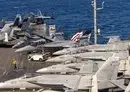
The US Navy's Sixth Fleet, however, continued to lead the exercise, with USS Mount Whitney serving as the flagship.
"Through BALTOPS, we are not just training for a potential crisis, but we are actively working to prevent one by showcasing our unified strength and resolve," said Rear Admiral Jason Naidyhorski, vice commander of US 6th Fleet, in a statement.
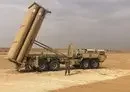
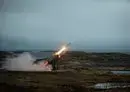
The exercise showcased a wide range of military equipment from participating nations.
Unmanned systems represented another important part of this year’s training activities.
The US Navy's Unmanned Surface Vessel Squadron 3 Division 32 operated Global Autonomous Reconnaissance Craft (GARC) platforms during the exercise.
These systems supported missions focused on reconnaissance, maritime awareness and counter-unmanned surface vessel operations.
The exercise included advanced underwater operations, mine warfare training and coordination between naval forces, aviation units and specialized teams.
These capabilities remain important in the Baltic Sea, where protecting sea lanes and monitoring underwater infrastructure are key priorities.
Building stronger allied cooperation
Beyond military training, BALTOPS provides NATO members with practical experience operating together under realistic conditions.
Combining different ships, aircraft, communication systems and procedures improves interoperability among allied forces.
Such exercises allow participating nations to test coordination, identify operational challenges and strengthen partnerships before a potential crisis occurs.
They also create opportunities for forces to develop a shared understanding of maritime security requirements.
BALTOPS 2026 demonstrated that NATO's maritime strategy depends on more than available ships and equipment.
The alliance's effectiveness also relies on its ability to operate together through coordinated multinational efforts.
Through continued training and cooperation, NATO members improve readiness and strengthen maritime security across the Baltic Sea region.