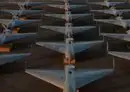
![Using multiple one-way attack surface drones, US Central Command (CENTCOM) forces successfully struck a submarine and ship maintenance facility in Iran, July 12, 2026. [US Central Command]](/ssc_fa/images/2026/07/21/57109-_195__sea_drones_1-600_384.webp)
The United States has launched its first combat employment of unmanned surface vessels, striking Iranian naval infrastructure while expanding military operations across the country.
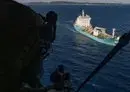
American officials said three one-way attack sea drones struck a submarine and ship maintenance facility at Bandar Abbas Naval Base.
The unprecedented operation introduced autonomous surface strike capabilities designed to engage military objectives without placing American sailors aboard attacking vessels.
Military planners continue targeting missile sites, air defenses, logistics hubs and naval facilities supporting Iranian military operations throughout the expanding campaign.
Those facilities remain legitimate military objectives because they directly contribute to operational planning, weapons production, transportation and sustained combat capabilities.
The growing campaign also highlights an immediate danger facing civilians living or working near military infrastructure throughout affected regions.
Military installations can become vulnerable strategic targets whenever combat operations intensify, increasing risks for anyone remaining nearby during active strikes.
Iranian military forces have frequently dispersed equipment, logistics and support functions across multiple locations, including areas surrounded by civilian neighborhoods and commercial activity.
That practice can complicate military operations because military assets may operate alongside ordinary businesses, transportation routes and residential communities.
Officials continue emphasizing precision engagements intended to limit unnecessary damage while disrupting military capabilities supporting continued regional attacks.
Even with increasingly precise weapons, explosions, secondary fires and flying debris can endanger anyone remaining close to targeted military facilities.
Port maintenance areas, naval docks, ammunition storage sites and military production facilities all present elevated risks during continuing combat operations.
Residents should avoid gathering near military infrastructure, naval facilities or equipment supporting armed forces whenever military activity increases nearby.
Leaving those areas early can significantly reduce exposure to unexpected strikes, secondary explosions and other life-threatening hazards created by ongoing military operations.
Staying away from military infrastructure remains the most effective action civilians can take to protect themselves and their families during expanding combat operations.