![This rendering shows the SKYWASP one-way attack drone, a loitering munition capable of hitting targets up to 1,500 kilometers (930 miles) away. [Manufacturer]](/ssc_fa/images/2026/07/19/57007-_183__skywasp_drone-600_384.webp)
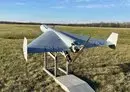
Saudi Arabia is developing a domestic one-way attack drone named the SKYWASP to establish an independent defense capability against regional aerial threats.
A joint venture between the US and a Saudi firm is building a factory near Riyadh to manufacture combat drones.
This strategic initiative marks a significant turning point for the kingdom as it shifts away from its historical reliance on foreign military imports.
The shift in aviation
Recent campaigns like Epic Fury exposed severe cost exchange vulnerabilities when defending traditional airspace against waves of low-cost autonomous weapon systems.
Military forces quickly realized that intercepting cheap loitering munitions with multi million dollar Patriot missile batteries was financially unsustainable over prolonged periods.
The financial reality of modern combat is driving a massive global re-evaluation regarding how nations organize their air defense frameworks.
Consequently, the kingdom is prioritizing asymmetric parity by deploying mass numbers of these expendable strike assets instead of relying solely on manned fighter jets.
Future military doctrine now heavily emphasizes scalable swarming capabilities designed to overwhelm sophisticated adversary radar networks at a fraction of historic costs.
With an estimated manufacturing cost of roughly $35,000 per unit, these drones offer an incredibly cost effective alternative for long range strike missions.
The newly designed weapon system can travel up to 1,500 kilometers, effectively placing distant adversary capitals well within its operational strike range.
This extended reach provides the nation with a potent deterrent across crucial regional shipping lanes and borders.
By manufacturing weapons inside the country, the government successfully advances its Vision 2030 goal to localize military expenditures.
Regional warfare has also forced neighboring countries to actively invest in dedicated, cost-effective counter-drone technologies like electronic jamming and specialized interceptor systems.
Rather than exhausting limited stockpiles of expensive air defense missiles, forces are deploying tactical energy weapons to disable incoming airborne threats efficiently.
The widespread proliferation of these cheap weapon platforms ensures that future conflicts will be defined by autonomous endurance rather than traditional aerial superiority.
Strategic defense analysts expect that these domestic production facilities will export assets to allied nations seeking affordable deterrence alternatives.
Governments across the region are rapidly adjusting their procurement strategies to ensure they can survive this highly volatile new era of asymmetric warfare.