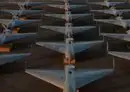
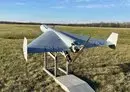
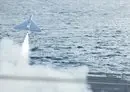
![A Low-Cost Uncrewed Combat Attack System (LUCAS) launches into the Arabian Gulf while operating to enhance regional maritime surveillance. Deployed to the Middle East, these advanced drone squadrons integrate with sub-surface assets to strengthen critical choke point security. [US Army]](/ssc_fa/images/2026/06/02/56296-_144__lucas_takeoff-600_384.webp)
US Navy is expanding its cross-domain surveillance network by linking LUCAS drones with underwater sensors to track Islamic Republic activity from port to open water.
The effort is led by Task Force Scorpion, which oversees integrated uncrewed systems supporting the ongoing maritime blockade.
Sub-surface assets form the first layer of this targeting chain, using unmanned underwater vehicles and traditional submarines to watch the regime's naval bases.
These platforms position themselves near chokepoints such as Bandar Abbas and the Strait of Hormuz.
Tracking when IRGC fast‑attack boats, submarines or uncrewed underwater vehicles begin outbound movement.
When a vessel departs, underwater sensors detect acoustic signatures or thermal disturbances created by hull friction and propeller cavitation.
That information is pushed through towed communication buoys and routed into satellite networks, creating a real-time picture of the regime's activity across the region.
LUCAS drones form the second layer of the system, using a two-way data link that allows rapid retasking once underwater assets flag a target.
Drones launch from flat-deck ships using rocket-assisted boosters, enabling platforms like the USS Santa Barbara to position surveillance and strike assets close to contested waters.
Once airborne, LUCAS drones maintain persistent coverage over shipping lanes where the IRGC has historically used fast-attack craft to pressure commercial traffic.
Their sensors identify shadow fleet tankers attempting covert transits and track escort vessels that accompany them through congested areas.
The drones also support blockade enforcement by carrying low-cost loitering munitions designed to neutralize hostile coastal defenses or small craft challenging US patrol lines.
Their unjammable guidance systems and anti-armor warheads allow them to defeat lightly protected vessels at a fraction of the cost required for traditional intercepts.
By linking underwater detection with airborne surveillance and precision strike options, the Navy has created a cross-domain kill web that complicates IRGC decision-making.
The integrated system provides commanders continuous visibility from Iranian ports to the Strait of Hormuz, strengthening the blockade and reducing opportunities for covert maritime activity.