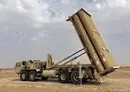
![In this undated photo, a Patriot missile battery is shown at an undisclosed location in Saudi Arabia. [Saudi Ministry of Defense/X]](/ssc_fa/images/2026/04/04/55134-size_496x700_saudi__1_-600_384.webp)
Saudi Arabia appears increasingly prepared to assume a more active role in the expanding confrontation with the Iranian regime across the Gulf region.
The regime's drone and missile attacks have increasingly targeted critical infrastructure and civilian areas throughout neighboring Gulf states.
Recent defensive operations by Riyadh showcase the resilience of Saudi air defenses and increase regional alarm over the Iranian regime's willingness to strike neighboring countries.
Over recent days, the Saudi Ministry of Defense reported several successful interceptions of the Iranian regime-launched aerial projectiles approaching sensitive locations.
In one notable incident, Saudi air defenses intercepted and destroyed drones and missiles approaching strategic sites near Riyadh and the industrial city of Al-Kharj.
The interceptions prevented potential damage to both military facilities and civilian infrastructure located near these heavily populated and economically significant areas.
Similar aerial threats were also intercepted near key energy facilities, including the Aramco Shaybah oil field located in eastern Saudi Arabia.
These defensive actions demonstrated the scale and persistence of aerial threats currently facing the Kingdom and the wider Gulf region.
A strategic turning point
Across the Gulf, air defense systems had intercepted over 1,800 Iranian missiles and drones by early March.
Residential buildings and commercial facilities in major Gulf cities have also been threatened during these attacks.
Against this backdrop, Saudi Arabia's potential entry into a broader US-led coalition operation against the Iranian regime could represent a decisive strategic turning point.
The Kingdom maintains the largest and most technologically advanced military among Gulf Arab states.
Saudi Arabia possesses a powerful air force, modern missile defense networks and strategically positioned bases along the Persian Gulf coastline.
These assets provide significant operational advantages for coalition forces operating against targets inside Iran.
Saudi air bases located in central and eastern regions offer significantly shorter operational distances to Iranian territory.
This geographic proximity could increase sortie rates and improve logistical efficiency for coalition aircraft operating in the region.
Saudi Arabia's integrated missile defense infrastructure would also strengthen the regional defensive shield protecting energy facilities, population centers and coalition bases.
Resilient Saudi air defense
The Royal Saudi Air Defense Forces operate one of the largest missile defense networks in the Middle East.
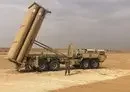
This network relies heavily on US-supplied Patriot interceptor systems combined with the advanced Terminal High Altitude Area Defense (THAD) platform.
Together, these systems provide Saudi Arabia with layered interception capabilities against multiple categories of aerial threats.
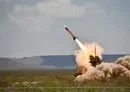
The Patriot system, widely used by US and allied forces, intercepts incoming ballistic missiles, cruise missiles and aircraft using advanced radar tracking technologies.
Its interceptors employ a "hit to kill" capability designed to destroy incoming threats through direct high velocity impact.
Meanwhile, the THAAD platform offers high altitude interception capabilities designed specifically for short and medium range ballistic missile threats.
These interceptors can destroy hostile missiles both inside and outside the earth's atmosphere during different stages of flight