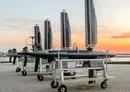
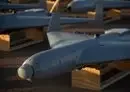
![Low-Cost Unmanned Combat Attack System (LUCAS) drones are positioned on the tarmac at a base in the US Central Command (CENTCOM) operating area. The LUCAS platforms are part of a one-way attack drone squadron deployed to the Middle East to strengthen regional security and deterrence. [CENTCOM]](/ssc_fa/images/2026/06/03/56349-_147__lucas_drones_ready-600_384.webp)
American naval planners increasingly view LUCAS drones as critical enforcement tools supporting maritime control operations around the Strait of Hormuz.
The low-cost aircraft operate within a broader cross-domain kill web connecting underwater surveillance, satellites and distributed naval strike platforms.
Task Force Scorpion has focused heavily on integrating autonomous systems capable of rapidly identifying and engaging Iranian naval activity near strategic waterways.
Military analysts say the concept targets multiple threats simultaneously, including Islamic Revolutionary Guard Corps (IRGC) fast attack craft, midget submarines and unmanned underwater vehicles.
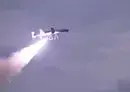
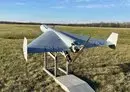
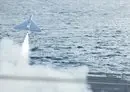
Unlike traditional carrier-dependent aircraft, LUCAS drones can launch directly from compact naval platforms operating close to contested coastal environments.
Rocket-assisted launches and portable catapult systems allow smaller American vessels to maintain persistent airborne coverage without conventional flight decks.
Submerged detection systems provide the network's earliest warning layer by monitoring harbor exits and restricted maritime transit corridors.
Autonomous underwater assets can identify suspicious vessel movements using acoustic tracking, wake analysis and magnetic signature monitoring technologies.
Once suspicious activity is detected, encrypted relay buoys transmit targeting information via secure satellite communications to support regional naval operations.
Nearby surface ships can then redirect airborne LUCAS drones toward newly detected contacts moving through congested commercial shipping routes.
The drone's two-way communications architecture allows operators to retask aircraft mid-flight against maneuvering maritime targets or coastal defense systems.
Defense analysts say that flexibility creates immediate pressure on vessels attempting to depart covertly from heavily monitored Iranian naval facilities.
Supporters argue that the system effectively transforms underwater reconnaissance into rapid aerial lethality capable of quickly disrupting hostile maritime operations.
Large drone formations could overwhelm lightly defended patrol boats while simultaneously threatening shadow fleet tankers supporting sanctioned Iranian oil exports.
Military planners believe persistent autonomous surveillance also complicates Iranian operational planning by reducing opportunities for surprise maritime maneuvers.
The evolving network demonstrates how cheaper autonomous systems increasingly support American efforts to maintain pressure across contested regional waterways.