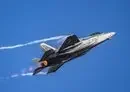
![KC-135R Stratotanker conducts aerial refueling with an F-16 Fight Falcon assigned to the "Thunderbirds," February 2, 2026. [US Air Force]](/ssc_fa/images/2026/07/09/56926-_174__kc-135r_stratotanker-600_384.webp)
Aerial refueling is essential for projecting military power, utilizing two distinct systems to keep operational aircraft flying.
Historically, the division between these methods reflects different design priorities, tactical missions and branch-specific requirements across global armed forces.
The flying boom method uses a rigid pipe that a dedicated operator steers directly into a receiving aircraft receptacle.
Because of this structural rigidity, the boom safely transfers large volumes of fuel very quickly to massive strategic bombers.
Conversely, the probe-and-drogue system employs a flexible trailing hose with a stabilized funnel basket at the end.
Receiving pilots must carefully guide their aircraft probe into this basket themselves, which fundamentally offers much higher operational flexibility.
The drogue system is remarkably straightforward, requires no dedicated operator station and allows multiple fighters to receive fuel simultaneously.
Although boom tankers can transfer fuel much faster, smaller fighters cannot always accept that maximum flow rate without potentially risking critical structural damage.
Strategic implementation
Strategic requirements heavily influenced why specific organizations selected one individual style over the other during the initial Cold War buildup.
The United States Navy adopted the probe-and-drogue design due to aircraft carrier space limitations and smaller aircraft profiles.
International air forces largely favor the flexible drogue because it integrates easily into standard aircraft fuselages without complex modifications.
This clear divide sometimes created logistical headaches during joint military actions involving diverse coalition forces operating varied equipment.
Fortunately, modern tankers frequently bridge this operational gap by utilizing specialized hybrid equipment to support both configurations simultaneously.
Modern capabilities and the KC-135R
There are four models of the KC‑135 Stratotanker: the A, E, R and T models.
Serving as a critical force‑multiplier, the KC‑135R Stratotanker is designed to refuel long‑range bombers, fighters and cargo aircraft in flight.
Notable modern aircraft, like the KC-135R Stratotanker, provide the vital backbone of global aerial refueling operations.
Originally developed during the Cold War, the KC-135R variant uses upgraded turbofan engines to offload 50 percent more fuel while remaining remarkably efficient.
A single operator flies the rigid boom to safely refuel large aircraft, while Multi-Point Refueling System pods also allow these tankers to support drogue operations.
Future tankers like the KC-46 Pegasus incorporate both platforms directly out of the factory to maximize deployment flexibility.
As a strategic asset, the KC‑135R significantly enhances the Air Force's ability to project global reach and power.
Additionally, the KC‑135R can support aeromedical evacuation missions by transporting ambulatory and litter patients using dedicated patient support pallets.